
16 Common Frustrations People Experience Building a New Home (And How to Avoid Them)
Building a new home should be one of the most exciting milestones of your life. Yet for many Australians, what starts as a dream quickly becomes a source of significant stress, financial strain, and regret. The good news? You don’t have to make the new home building mistakes other people make. Most of the problems mentioned in this list are entirely preventable… if you address them before you sign.
We’ve compiled the 16 most common new home building mistakes homeowners experience when building a new home, along with practical advice to help you navigate the process with confidence.
1. The Architect Who Can’t Stick to Your Budget
Few things are more deflating than commissioning an architect, investing months in the design process, and then receiving a builder’s quote that’s hundreds of thousands of dollars over budget. Unfortunately, this happens far more often than it should.
How to avoid it: Before engaging any architect, be explicit about your hard budget ceiling, not a range, but a maximum. Ask them directly: “Have you delivered completed projects at this price point?” Request references from clients whose builds came in on budget. Consider engaging a building consultant or quantity surveyor early in the process to provide independent cost estimates at each stage of the design. An architect who hasn’t done detailed cost planning alongside your design is a significant risk.
2. Choosing a Builder with Shaky Finances
A builder going bankrupt mid-construction is every homeowner’s nightmare. It leaves you with an unfinished home, locked in legal disputes, and often significantly out of pocket. Even builders who survive financially may cut corners on finishes and fixtures when cash flow tightens.
How to avoid it: Always conduct thorough due diligence before signing with any builder. Request recent financial references, check their credit history, and verify they hold appropriate builder’s warranty insurance. Speak to their subcontractors and trades who haven’t been paid are often the first warning sign. Look for builders with a consistent, proven track record of completions rather than impressive showrooms and low deposits.
3. Ending Up With a Poor Design
A home that looks beautiful in a brochure but functions poorly in real life is an expensive mistake you’ll live with for years. Poor spatial flow, inadequate natural light, insufficient ventilation, and difficult furniture layouts are all common design failures that emerge well after the contracts are signed.
How to avoid it: Invest time in the design phase. Walk through similar completed homes with a critical eye. Ask: Where does the sun rise and set relative to the living areas? How does air flow through the home? Can the main rooms be furnished practically? Engage an independent architect or building designer if your builder’s in-house designer feels like a box-ticking exercise. Good design costs very little compared to the price of living in a home that doesn’t work.
4. Slow Builders Who Take Years to Finish
Some builders consistently deliver homes well behind schedule while others complete comparable builds in half the time. Delays mean extended rental costs, emotional exhaustion, and sometimes significant financial penalties if you’ve already sold your previous home.
How to avoid it: Ask every builder you interview for their average build time for a project of your scope. Then verify it. Speak to at least three previous clients and ask when their build started, when it was completed, and whether delays were caused by the builder or external factors. Include practical completion dates and delay penalty clauses in your contract. A builder who refuses to include these clauses is signalling that they don’t intend to honour them.
5. Suffering From Inferior Workmanship
Cracked tiles, poorly hung doors, gaps in cornices, shoddy waterproofing and inferior workmanship can affect both the liveability and the long-term value of your home. Defects that seem minor at handover can become expensive problems within a few years.
How to avoid it: Visit recently completed homes by your prospective builder… not display homes, which receive premium finishes, but actual client homes. Engage an independent building inspector to conduct inspections at key stages of the build: frame stage, lock-up stage, and pre-handover. This is money extremely well spent. Know that defect liability periods exist in most Australian states, so document everything in writing at handover.
6. The Dangers of Cost-Plus Contracts
A cost-plus contract (where you pay the builder’s actual costs plus a margin) sounds fair on paper but can expose you to enormous financial risk. Without a fixed price, there is little incentive for the builder to control costs, and your final bill can escalate dramatically.
How to avoid it: Unless you have deep experience with construction contracts and a high degree of trust in your builder, opt for a fixed-price contract with clearly defined inclusions. If a cost-plus arrangement is unavoidable, insist on a guaranteed maximum price clause, rigorous cost reporting, and your right to audit invoices. Always have a construction lawyer review any contract before you sign.
7. Not Knowing How to Resolve Conflicts With Your Builder
Even the best projects encounter disagreements. Homeowners who don’t understand their rights, their contract terms, or the escalation process can find themselves either steamrolled into accepting substandard outcomes or embroiled in costly disputes.
How to avoid it: Before construction begins, educate yourself on the basic terms of your contract payment schedules, variation procedures, defect clauses, and dispute resolution processes. Build a paper trail from day one: confirm all verbal agreements in writing. If a dispute escalates, engage a building consultant or construction lawyer early rather than waiting until the situation is irretrievable. Most state building authorities also have free dispute resolution services.
8. Overpaying for Your Home
Some homeowners overpay simply because they’re impressed by a builder’s reputation. Others are overcharged because the builder recognises their inexperience and prices accordingly. Either way, the result is a home that costs significantly more than it should.
How to avoid it: Never accept a single quote. Obtain at least three competitive quotes for the same scope of work, and ideally have the quotes assessed by an independent building consultant or quantity surveyor. Understand what’s included and what isn’t before comparing prices. A reputable builder should be able to justify every line item in their quote.
9. Acting on Incorrect Advice and Discovering Features Too Late
Recommendations from well-meaning friends, family members, and builder’s sales representatives can lead you down the wrong path. Equally frustrating is discovering desirable features like underfloor heating, solar-ready wiring, built-in storage solutions, quality window glazing, after the walls are up and it’s too late or prohibitively expensive to add them.
How to avoid it: Seek advice from experienced, independent professionals rather than relying solely on people with a financial interest in your decisions. Before finalising your design, spend time researching features and finishes comprehensively: visit display homes, attend home expos, join online building forums, and talk to people who have recently completed a new build. The time to discover what you want is before the design is locked in, not after.
10. Budget Blowouts After Signing the Contract
One of the most common and most painful experiences in new home construction is signing a contract with a certain budget in mind, only to watch the cost escalate steadily as variations, prime cost items, and provisional sums are resolved at higher-than-expected prices.
How to avoid it: Scrutinise every provisional sum and prime cost item in your contract before signing. These are placeholders for items not yet selected or priced and they are frequently underestimated. Ask your builder to be as specific as possible about these allowances, and do your own research into current market prices. Aim for a fixed-price contract with as few open items as possible. Then maintain a contingency budget of at least 10–15% above your contracted price for genuine unforeseen costs.
11. Dealing With a Difficult, Uncooperative Builder
A builder who is dismissive of your concerns, slow to respond to questions, and reluctant to address issues creates ongoing stress throughout what should be an exciting process. Poor builder relationships are a leading cause of formal disputes and project delays.
How to avoid it: The character and communication style of the builder and their site supervisor matter enormously. During the selection process, pay close attention to how responsive they are before you’ve signed anything. If they’re slow to return calls at the sales stage, expect that to worsen once you’re under contract. Speak candidly with previous clients about their experience of the working relationship, not just the finished product.
12. Struggling to Understand Plans and Technical Terms
Builder’s plans are filled with technical terminology, abbreviations, and references to Australian Standards that most homeowners are not equipped to interpret. Agreeing to something you don’t fully understand and later discovering it doesn’t match your expectations is a frustrating and often expensive situation.
How to avoid it: Never sign off on plans or specifications you don’t fully understand. Ask your builder to walk you through every drawing and every page of the specification in plain language. For significant contracts, engage an independent building consultant to review the documents on your behalf. Many design decisions that seem minor in the planning phase. For example, ceiling heights, window sizes, door swings. These have a significant impact on the finished home.
13. The Stress and Anxiety of Getting It Wrong
The emotional burden of building a home the fear of making costly mistakes, the uncertainty of whether decisions are correct, the pressure of managing a major financial commitment is consistently underestimated by first-time builders.
How to avoid it: Acknowledge that building a new home is a complex, high-stakes project, and plan accordingly. Educate yourself throughout the process. Maintain a detailed project diary. Establish clear, regular communication routines with your builder. Connect with others who have been through the process. And don’t hesitate to engage professional support a building consultant, construction lawyer, or even a trusted, experienced friend when you feel out of your depth. You don’t have to navigate it alone.
14. Underestimating the Importance of a Contingency Budget
First-time builders frequently focus all of their financial planning on the contracted build price and forget to set aside funds for the inevitable surprises: site costs that weren’t anticipated, variations required mid-build, connection fees, landscaping, window furnishings, and post-handover expenses.
How to avoid it: Treat your contingency budget as a non-negotiable part of your financial plan, not an afterthought. A contingency of 10–15% of your total build cost is a sensible starting point. Also budget carefully for all the costs associated with building that sit outside the builder’s contract: council fees, energy connection costs, driveway and external works, furniture, and the costs of living in alternative accommodation during the build.
15. Poor Communication and a Lack of Transparency From Your Builder
Nothing erodes confidence more quickly than a builder who is hard to reach, vague about progress, and reluctant to share information. When homeowners don’t know what’s happening on site, minor concerns fester into major anxieties.
How to avoid it: Establish clear communication expectations before construction begins. Agree on a regular reporting schedule weekly or fortnightly progress updates with photos. Clarify who your primary point of contact is and what response time is reasonable for non-urgent queries. Put all significant communications in writing. A builder who is transparent and proactive in their communication is a builder who is confident in the quality of their work.
16. Not Understanding the Full Scope of the Project From the Start
Many of the frustrations above trace back to a single root cause: homeowners entering the building process without a full understanding of what they’re committing to the complexity of the decisions involved, the risks embedded in contracts, and the importance of independent advice.
How to avoid it: Before you engage a builder, invest time in understanding the process end-to-end. Attend building industry seminars, read widely, and seek independent professional guidance. The cost of a building consultant or construction lawyer at the start of the process is minimal compared to the financial and emotional cost of a project that goes wrong.
Final Thoughts
Building a new home is one of the largest financial and emotional investments you will ever make. The homeowners who navigate it successfully are not necessarily the ones with the biggest budgets. They’re the ones who go in informed, ask the right questions, seek independent advice, and refuse to be rushed into decisions they don’t fully understand.
If you’re planning to build, take the time to get it right from the beginning. The decisions you make before you sign a contract are far more powerful than any you can make once construction is underway.
Looking for expert guidance before you build? Contact us to find out how we can help you navigate the new home building process with confidence.
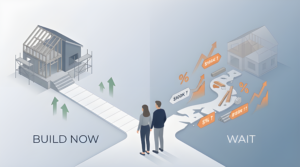
Thinking about building in 2026? We’ve put together a podcast for to help you decide whether or not this is the right year for you.